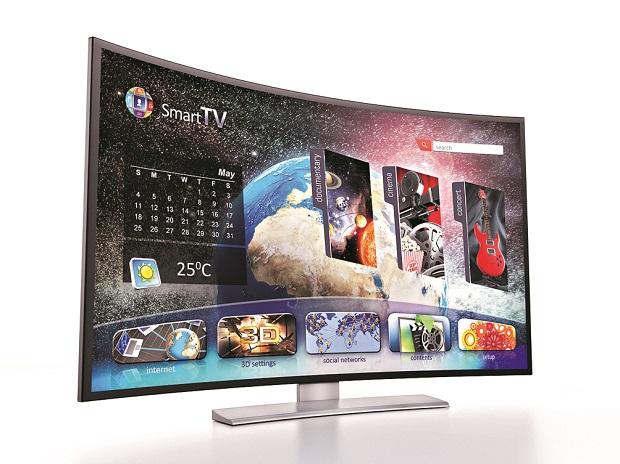
Smartphone firms storm smart TV market, thanks to low data tariffs

Leading smartphone brands such as Xiaomi, Micromax, Redmi (a sub-brand Xiaomi) and OnePlus are set to disrupt the smart television space, which has so far been dominated by electronics giants Sony, LG, Samsung and Panasonic. Internet-enabled smart TVs, which are a relatively new segment in India, are expected to see a major boost on the back of lower data tariffs, which have resulted in a massive uptick in online video consumption.

While Xiaomi is already present in this space, its sub-brand Redmi, whose smartphones are quite popular in India, is expected to launch smart TVs soon. Given the value it offers for its price point in the smartphone space, Mi TVs are also likely to be available at competitive prices.

This week, OnePlus, the maker of the hugely popular OnePlus 6 and OnePlus 6T handsets, too announced that it would come out with smart TVs in September. The Chinese phone-maker is expected to woo consumers with smart TVs that are as aggressively priced as its feature-rich phones. Read Complete Article

TikTok parent ByteDance plans to set up international data centre in India

China-based ByteDance, the parent company of popular short video application TikTok, will set up a data centre in India, becoming one of the first social media companies to do so in the country, the company said in a statement shared exclusively with Business Standard.

“India is one of our strongest markets and we are happy to be part of the mainframe of Digital India in 15 languages. Since the launch of our platforms in India, we have stored the data of our Indian users at industry-leading third party data centres in the US and Singapore…We now believe the time has come to take the next big leap,” the statement read.

The company has set an internal target of 6-18 months to set up the data centre, Business Standard has learnt. The plan is part of the $1 billion ByteDance has recently committed to the Indian market over the next three years.

The move is also significant because of the Indian government’s ongoing focus on data localisation, as well as the increasing number of issues that TikTok is facing in the country.