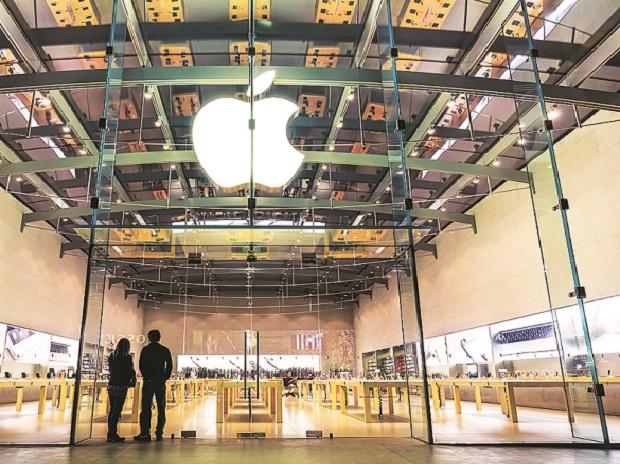
Apple does a Jio with TV+, offers content subscription at Rs 99 per month

With over 1.4 billion active installed base of devices globally and millions in India – iPhones, iPads, Apple TV, Macs, iPod touch and more – Apple has finally flexed its muscles to take on content streaming giants like Netflix, HBO, Amazon Prime and Disney with aggressive pricing, free offers and all-original stories.

The announcement of a much cheaper Apple TV+ subscription than expected (Rs 99 a month in India and $4.99 in the US and other countries) immediately saw shares of Netflix, Disney and Roku tumbling down as Apple, which has nearly $210 billion cash at its disposal, has sensed the mammoth streaming opportunity that lies ahead and is going to open its coffers for creating more originals, even in regional languages.

Indians today spend 30 per cent of their phone time and over 70 per cent of mobile data on entertainment and movies are their preferred choice on smart TV and larger screens.
Read Complete Article

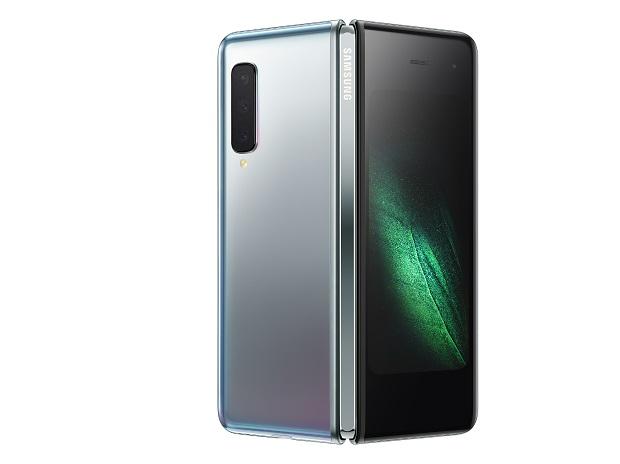
Samsung Galaxy Fold’s success hinges on competitors and not sales

With Samsung Electronics Co finally launching its troubled Galaxy Fold, success for the $1,980 luxury handset may be measured not in how many it ships, but how many competitors decide to develop their own.

Pre-release enthusiasm for the device turned to exasperation in April when review units were found to have a severe defect related to the folding screen design. That made reviewers, analysts and investors rightfully skeptical about whether Samsung had gone too far and fallen off the bleeding edge of technology innovation. Three years earlier, the South Korean giant had grappled with exploding batteries in the Galaxy Note 7, ultimately discontinuing the device after a botched recall.

Management handled the setback much better this time, making the pragmatic decision to delay release of the Fold pending a redesign. Now that it’s available, the spotlight will once again be on the screen to see whether the design can hold up to daily wear and tear.

Joining the crowds scrutinizing every millimeter of the screen and its hinge will be executives at Huawei Technologies Co., Oppo, Vivo, Xiaomi Corp. and even Apple Inc. While all are rivals to Samsung in smartphones, they’re also potential customers for its displays.

Samsung’s virtual lock on organic light-emitting diode (OLED) technology over the past few years helped that division post an impressive run of operating profits as leading names, including Apple, clamored to get their hands on these brighter, lower-power displays. That star has since faded. The global smartphone industry is now in a funk, and Samsung isn’t alone in wanting to offer something fresh and exciting to juice sales.

Read Complete Article