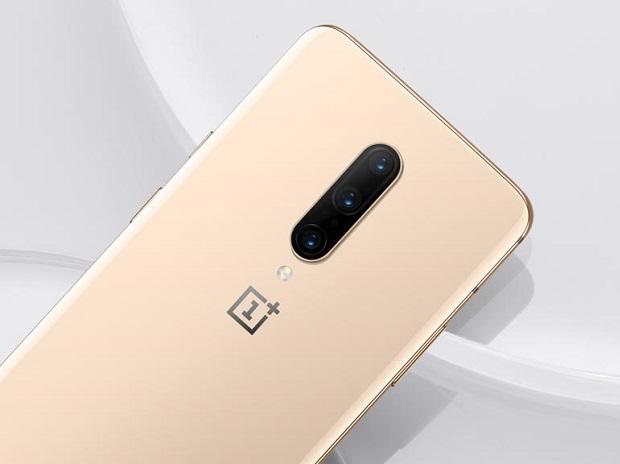
China’s OnePlus set to unveil a new logo in black on March 18: Report
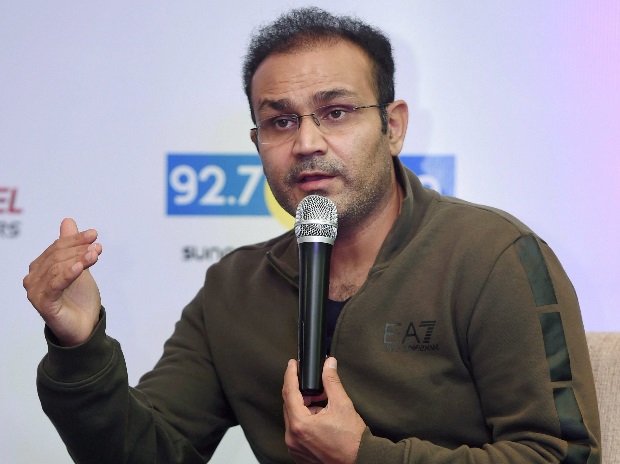
After MS Dhoni, Yuvraj Singh and Virat Kohli, now Virender Sehwag has launched his own line of sports wear and sports equipment under the brand name ‘VS’.
Launched nationally with India’s first exclusive store in Ahmedabad, the Brand VS is run by Viru Retail Pvt. Ltd., a joint-venture between Sehwag owned World of Viru Pvt. Ltd. and Stitched Textiles Pvt. Ltd.
With over 50 stock keeping units (SKUs) largely in sports and athleisure apparel, along with sports equipment, the brand is looking to tap the affordable consumer segment.
“While providing quality products, I want to cater to the middle class affordability that signifies my fan following. There are already premium sports wear brands in the market. Also, going forward, we are looking at opening stores in Delhi, Mumbai and other major cities, apart from tapping the e-tail segment,” Sehwag told Business Standard.
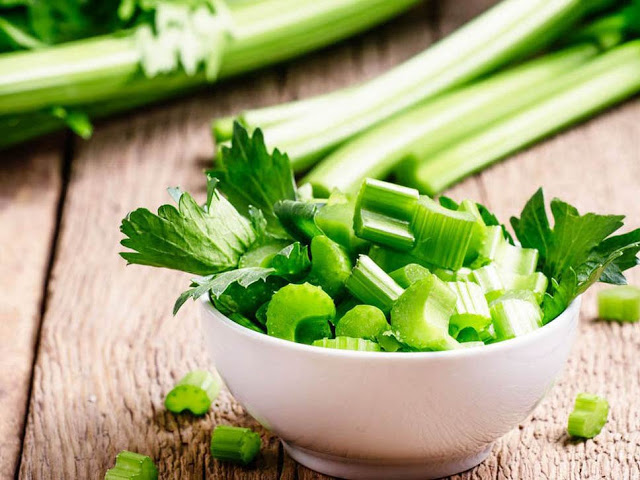
Be Healthy: Diets are everywhere, but could eating “negative calorie” foods, such as celery and grapefruit, help to boost weight loss?
A calorie is a unit of energy, usually expressed as kilocalories (kcal) for the energy content in food. The theory behind negative calorie foods is that some foods have lower calorie (energy) content than the amount of energy it takes to digest and absorb the food into the body. This sounds plausible, in theory. But in reality, even the lowest calorie foods, such as celery, contain more calories than it takes to break down and absorb them in the body.
Our energy needs are made up of three components:
The energy needed to maintain a body at rest, which is the energy needed for our body to carry out its basic processes so we can live.
The thermic effect of eating, which is the increase in metabolic rate after eating, while food is digested and absorbed.
Additional energy needed for activity and exercise.
Of these, the thermic effect uses the fewest calories – about 10 per cent of the energy we take in. In other words, about a tenth of the calories we eat are used to process our food – this includes chewing our food, moving it through the digestive system, absorbing nutrients and storing excess energy.
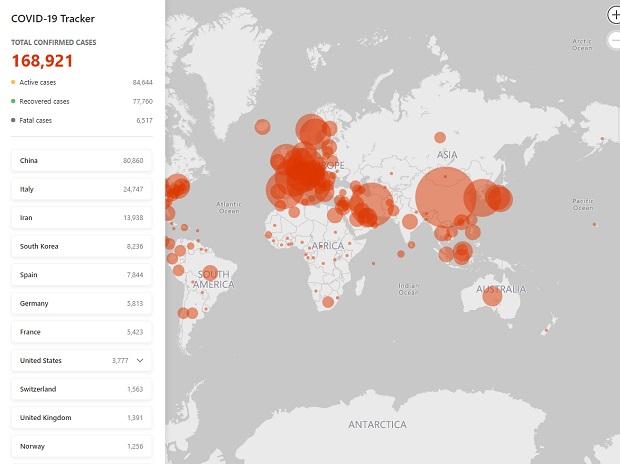
The website, accessible at bing.com/covid, provides up-to-date infection statistics for each country.
The COVID-19 Tracker currently lists 168,835 as total confirmed cases, 84,558 active cases, 77,761 recovered cases and 6,516 deaths.
There are at least 3,244 confirmed cases of novel coronavirus in the US and at least 61 deaths.
“Lots of Bing folks worked (from home) this past week to create a mapping and authoritative news resource for COVID19 info,” Michael Schechter, General Manager for Bing Growth and Distribution at Microsoft, was quoted as saying in a ZDNet report on Sunday.
An interactive map allows site visitors to click on the country to see the specific number of cases and related articles from a variety of publishers.
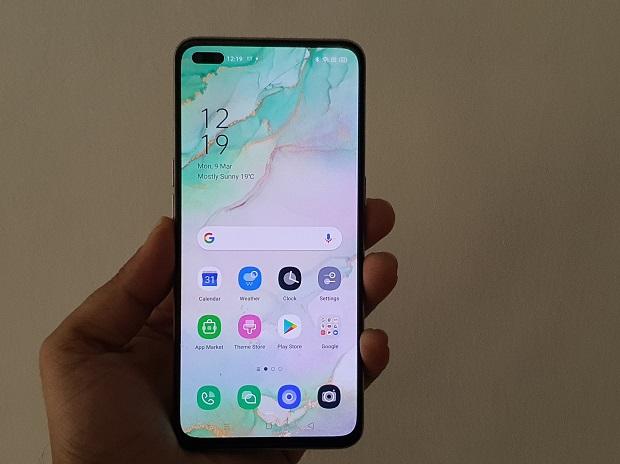
Oppo has continued to charm selfie lovers with its smartphones, especially those in its Reno series. Its new offering, the Reno 3 Pro, boasts a 44-megapixel dual-punchhole camera and a slew of features to attract Instagrammers and TikTokers.
But at a time when a heavy camera set-up is not enough for a smartphone to get past the competition, can Oppo Reno 3 Pro prove an anomaly? Let’s find out:
Design and display
Oppo’s Reno line-up is known for its design and performance, and the absence of a shark-fin camera in the Oppo Reno 3 Pro surprised us, but punchhole camera on the front does give it good looks. However, it may distract some while streaming a web-series or playing a game.
Oppo Reno 3 ProA successor to the Reno 2, the Reno 3 Pro has notable upgrades in terms of hardware and software. It is sleek and lightweight, despite featuring a 4,025 mAh battery, so it is very comfortable for everyday use. This could be a relief for those who detest bulky phones.
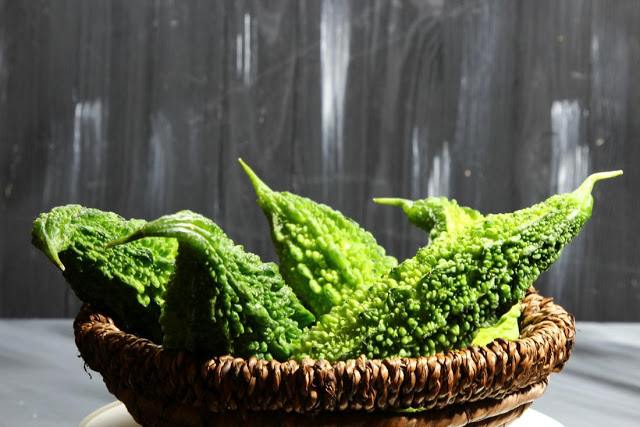
Be Healthy: Bitter melon, or bitter gourd, has served as a traditional Indian remedy for centuries. Recently, bitter melon extract supplements have been gaining popularity as an alternative medication for diabetes. Now, new research in mice seems to suggest that bitter melon extract may help fight cancer.
Bitter melon (Momordica charantia), also known as bitter gourd, is a “relative” of both cucumber and zucchini. It originated in the South Indian state of Kerala.
It later became more widespread, with China first importing the fruit in the 14th century. It then spread to regions of Africa and to the Caribbean.
Traditionally, bitter melon has helped treat many health concerns, and it has recently gained some popularity as a natural remedy against diabetes.
The fruit is also a staple of certain Asian cuisines, adding to local dishes’ unique flavor through its specific bitterness.
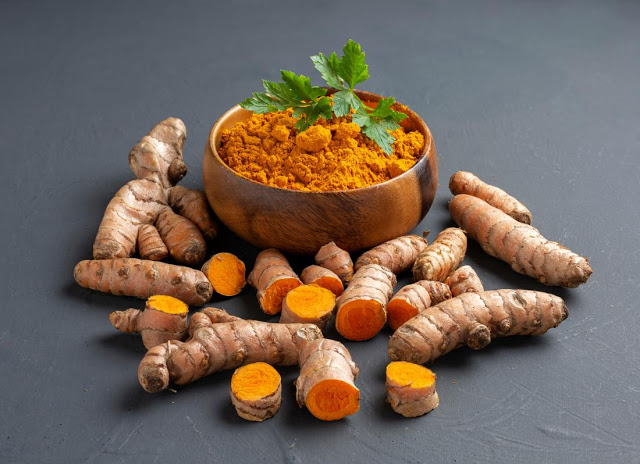
Be Healthy: A recent literature review investigates whether turmeric may be useful for treating cancer. The authors conclude that it might be but note that there are many challenges to overcome before it makes it to the clinic.
Turmeric is a member of the ginger family. Native to India and Southeast Asia, people have used turmeric root to flavor their food for thousands of years.
Historically, people associated turmeric with healing properties. Even now, some hail turmeric as a panacea for all ills. Recently, its popularity has surged, as evidenced by the recent turmeric latte fad. However, as with many things in life, the reality rarely matches the hype.
The chemical in turmeric that most interests medical researchers is a polyphenol called diferuloylmethane, which is more commonly called curcumin. Most of the research into turmeric’s potential powers has focused on this chemical.
Turmeric as a healer?
Over the years, researchers have pitted curcumin against a number of symptoms and conditions, including inflammation, metabolic syndrome, arthritis, liver disease, obesity, and neurodegenerative diseases, with varying levels of success.
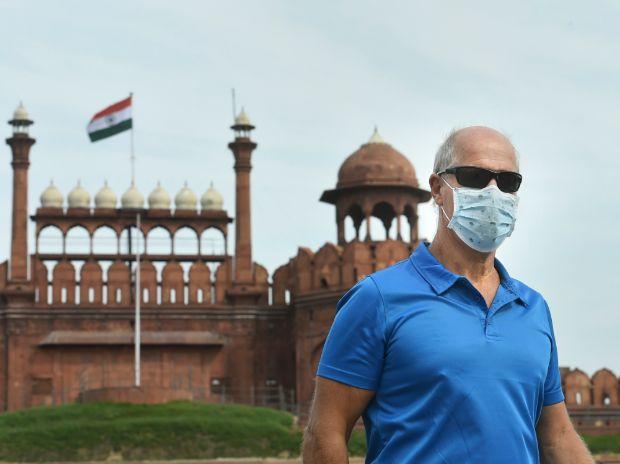
The Coronavirus outbreak has taken the world by a storm, with governments globally scrambling to control the outbreak, which has so far infected over 125,000 people and killed more than 4,500 across 114 countries. Even as the virus forces countries to quarantine citizens, lock down borders and suspend travels, the number of recoveries across the world so far has been 68,000, according to data collated by the Johns Hopkins University & Medicine.
The data show that over 50,000 people have recovered in China’s Hubei province alone. Hubei has been the most affected by the outbreak. Iran, also affected badly and facing difficulties owing to several US sanctions and poor medical facilities, has seen over 2,900 recoveries so far. The country has also reported over 400 deaths, the most after China and Italy.
While over 90 per cent of the cases are confined to four countries – China, South Korea, Italy and Iran – the first two have lately seen a significant drop in new Covid-19 cases.
Two Republican senators on Thursday introduced a bill aimed at banning federal employees from using Chinese social media app TikTok on their government-issued phones, amid growing national security concerns around the collection and sharing of data on US users with China’s government.
The bill by Senators Josh Hawley and Rick Scott comes as several US agencies that deal with national security and intelligence issues including the State Department and the Department of Homeland Security have banned employees from using the app.
It is also the latest attempt to rein in technology companies by Hawley, who has repeatedly clashed with big tech companies.
“TikTok is owned by a Chinese company that includes Chinese Communist Party members on its board, and it is required by law to share user data with Beijing,” Hawley said. ” As many of our federal agencies have already recognized, TikTok is a major security risk to the United States, and it has no place on government devices.”
The app has been rapidly growing in popularity among US teenagers and allows users to create short videos. About 60% of TikTok’s 26.5 million monthly active users in the United States are aged 16 to 24, the company said last year.
The State Bank of India (SBI) on Wednesday announced it will not ask customers to maintain a minimum balance in savings accounts, news agency PTI reported.
The state-owned bank rationalised interest rate on savings bank accounts to a flat 3 per cent annum. It also waived off SMS charges.
“This announcement will bring in more smiles and delight to our valuable customers. We believe this initiative would empower our customers towards banking with SBI and boost their confidence in SBI,” said chairman Rajnish Kumar in a statement.
SBI, earlier in the day, slashed its Marginal Cost of Funds based Lending Rate (MCLR) by 10-15 basis points across all tenors from March 10, 2020, moving to make make home and auto loans cheaper. Read Complete Article
 Mansa
Mansa 